
Beijing, April 14, 2026: Amid ongoing uncertainty in global energy markets following tensions around the Strait of Hormuz, countries worldwide are rapidly rethinking their energy priorities, leading to a growing shift away from oil toward alternative energy sources.
The disruption began after renewed conflict involving United States, Israel and Iran, which significantly affected global oil and gas supply routes. Typically, nearly one-fifth of the world’s oil trade—around 20 million barrels per day—passes through the Strait of Hormuz. However, following the escalation, shipments were nearly halted, triggering a sharp surge in global oil and gas prices.
The impact has been particularly severe for Asian and developing economies that rely heavily on energy imports and have limited capacity to absorb global market shocks. As a result, energy security has emerged as a top priority, prompting countries to diversify their energy mix.
Experts believe that the effects of this disruption will be long-lasting and could permanently reshape the global energy landscape.
In this environment of uncertainty, demand for alternative energy sources is rising significantly, with governments and industries focusing more on stability, affordability, and sustainability.
Traditionally, clean energy was promoted as an environmental responsibility, but it is now increasingly viewed as an economic and geopolitical necessity.
The focus has shifted from merely reducing pollution to ensuring stable energy supplies and shielding economies from volatile fossil fuel markets.
In this evolving scenario, China has emerged as a major beneficiary.
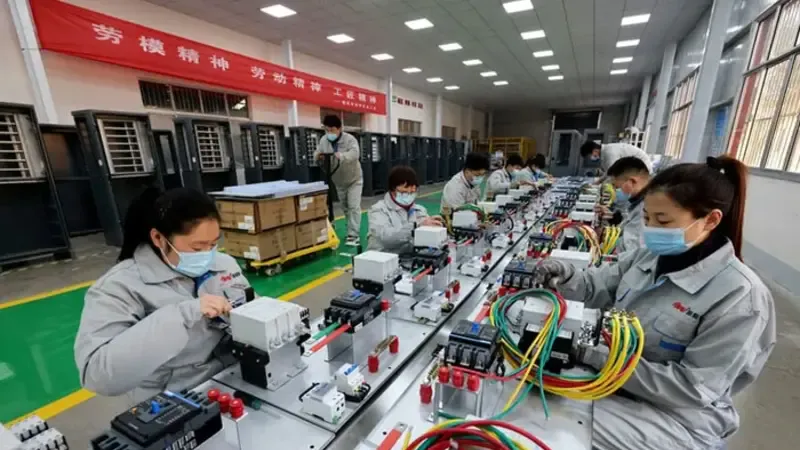
According to industry reports, exports of Chinese clean energy technologies have surged by 57 percent. China already dominates large segments of the global clean energy supply chain, including solar panels, wind turbines, batteries, and electric vehicles.
This dominance has allowed Chinese companies to strengthen their position in international markets, especially in countries facing energy disruptions due to constraints in the Strait of Hormuz. As demand for alternative energy solutions grows, China’s influence in the global energy transition is expected to expand further.
Looking ahead, experts anticipate significant growth in renewable energy sources such as wind and solar power. These sources are not only cost-effective but also enhance energy independence, reducing reliance on imports and protecting countries from future geopolitical disruptions.
As one expert noted, energy derived from wind and sunlight cannot be blockaded or controlled by external forces. Every unit of clean energy produced locally represents a secure and resilient resource that cannot be weaponized, making it a critical component of future energy strategies worldwide.