
CAIRO: A new archaeological study has strengthened the centuries-old theory that some people buried near the tombs of ancient Egyptian kings may have been deliberately killed following the rulers’ deaths.
Archaeologist Roslyn Campbell of Purdue University re-examined ancient human remains preserved by British archaeologist Flinders Petrie using modern medical techniques.
During excavations in the 1920s, Petrie discovered hundreds of graves near the tombs of kings from Egypt’s First Dynasty. He proposed at the time that some of the people may have been sacrificed to serve the king after death.
However, the lack of clear evidence about their cause of death left the theory disputed.
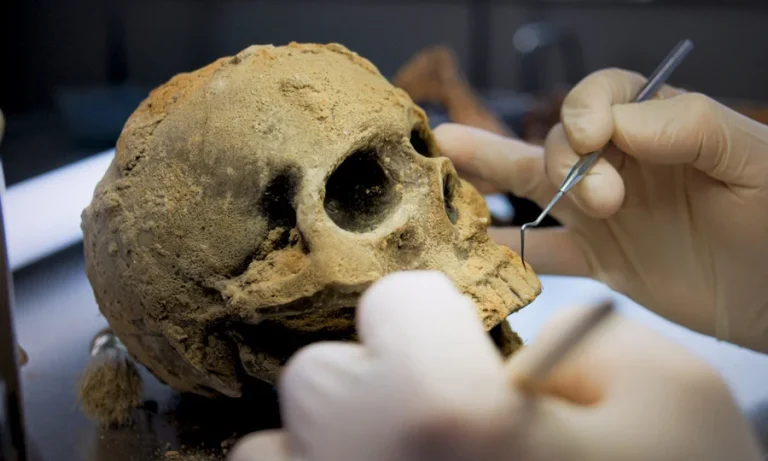
In the new study, researchers examined 46 skulls preserved from Petrie’s excavations and found potentially fatal injuries on 18 of them. Most showed fractures consistent with severe blows from a broad, hard object.
Some skulls also contained injuries that appeared to have been caused by sharp or cutting objects. According to the researcher, the findings strengthen the possibility that several individuals did not die naturally but were deliberately killed.
The graves were located near royal tombs in the Umm el-Qa’ab area of the ancient city of Abydos. The kings associated with the tombs ruled during Egypt’s early dynastic period.
Researchers noted that some graves contained the names and official positions of the buried individuals, indicating that they included lower- and middle-ranking officials and craftsmen.
The simultaneous sealing of large numbers of graves and the presence of people connected to the royal household have led researchers to suggest that some individuals may have been sacrificed to accompany and serve the king in the afterlife.
Campbell said some people may have voluntarily accepted such a fate, while others may have been selected or forced. She added that modern examination of archaeological remains can provide new insights into ancient societies and practices.