
Special Correspondent
Islamabad, June 18, 2026: A report by the National Commission for Human Rights (NCHR) in collaboration with UNICEF has revealed that an estimated 8.6 million children in Pakistan are engaged in child labour, including 6.6 million involved in hazardous forms of work.
The report, titled “Pakistan: Child Labour Surveys – Evidence for Action”, provides the first comprehensive national dataset on child labour in nearly three decades, offering detailed insights into its scale, causes and impact across the country.
According to the findings, Punjab bears the highest burden with around 6 million working children, followed by Sindh with 1.6 million, Khyber Pakhtunkhwa with approximately 745,155, and Balochistan with 201,352 children engaged in labour. In Islamabad, 15,180 children were recorded as working.
The report highlights poverty as the primary driver of child labour, with a higher prevalence among children from low-income households and less-educated families. It further notes that boys are significantly more affected than girls, particularly in hazardous occupations.
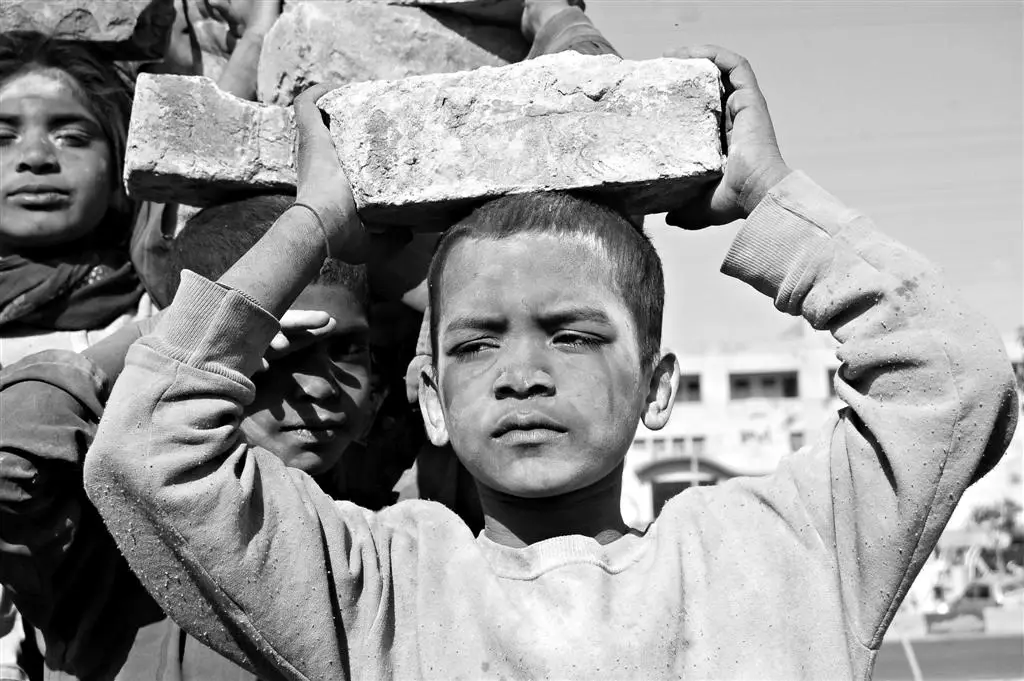
Too young to shoulder big burden
A substantial portion of child labour occurs within family settings, including agricultural fields, workshops and home-based work, making it harder to detect through conventional inspection systems.
The study warns that working children are more likely to suffer from injuries, illnesses, fatigue and mental health issues, while many are deprived of education and long-term development opportunities.
Officials and experts speaking at the launch stressed the need for stronger policy action, increased investment, and coordinated institutional efforts to eliminate child labour. They called for translating the report’s findings into practical reforms to ensure children remain in schools rather than workplaces.
The report also emphasizes that child labour in Pakistan is not only a poverty-driven issue but also a challenge linked to social attitudes, population growth, and gaps in governance and enforcement.