Staff Correspondent
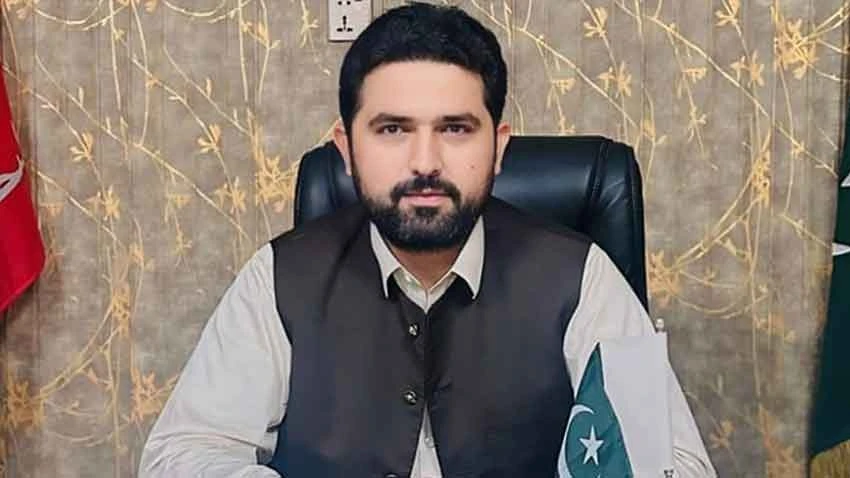
Peshawar, July 9, 2026: Khyber Pakhtunkhwa Chief Minister Muhammad Sohail Afridi has directed the authorities concerned to complete the revamping of District Headquarters (DHQ) hospitals across the province by the end of the current fiscal year.
He warned that no further delay in the public welfare project would be tolerated.
Chairing a meeting at the Chief Minister’s House on Thursday, Afridi instructed all relevant departments to accelerate work and ensure timely completion of the project.
He directed officials to prioritise hospitals requiring comparatively less development work so they could be completed and made operational at the earliest, enabling the public to benefit from improved healthcare services.
The chief minister also ordered authorities to identify and remove all bottlenecks delaying implementation, saying avoidable delays would not be accepted.
He announced that progress on the project would be reviewed again after three months and called for significant headway before the next meeting.
Afridi said that alongside the rehabilitation and upgradation of DHQ hospitals, Rural Health Centres (RHCs) and Basic Health Units (BHUs), the proposed Health City project remained one of the provincial government’s top priorities.
He directed officials to expedite work on the Health City initiative so it could move into the implementation phase as soon as possible, adding that the government was investing heavily in both the modernisation of existing healthcare facilities and new strategic projects to meet the province’s growing healthcare needs.
The chief minister also instructed authorities to ensure the early completion of the Khyber Institute of Child Health and other ongoing health sector projects, assuring them of the provincial government’s full support.
Officials informed the meeting that four PC-I schemes worth a combined Rs33.085 billion had been approved for the revamping of 32 secondary care DHQ hospitals across the province.
The meeting was also told that procurement of modern medical equipment worth Rs2.55 billion had been completed and the equipment had already been delivered to the respective hospitals, while infrastructure designs had been approved and civil works were expected to begin shortly.