
Islamabad, Sept 23, 2025 (APP) — Displacement affects children far beyond mere relocation. It often strips them of their identity, disrupts their education, limits access to healthcare, and increases their vulnerability to child labour, early marriage, violence, and exploitation.
An estimated 3.6 million Afghans live in Pakistan, many of them minors, alongside millions of Pakistani children displaced by floods, conflict, and other emergencies.
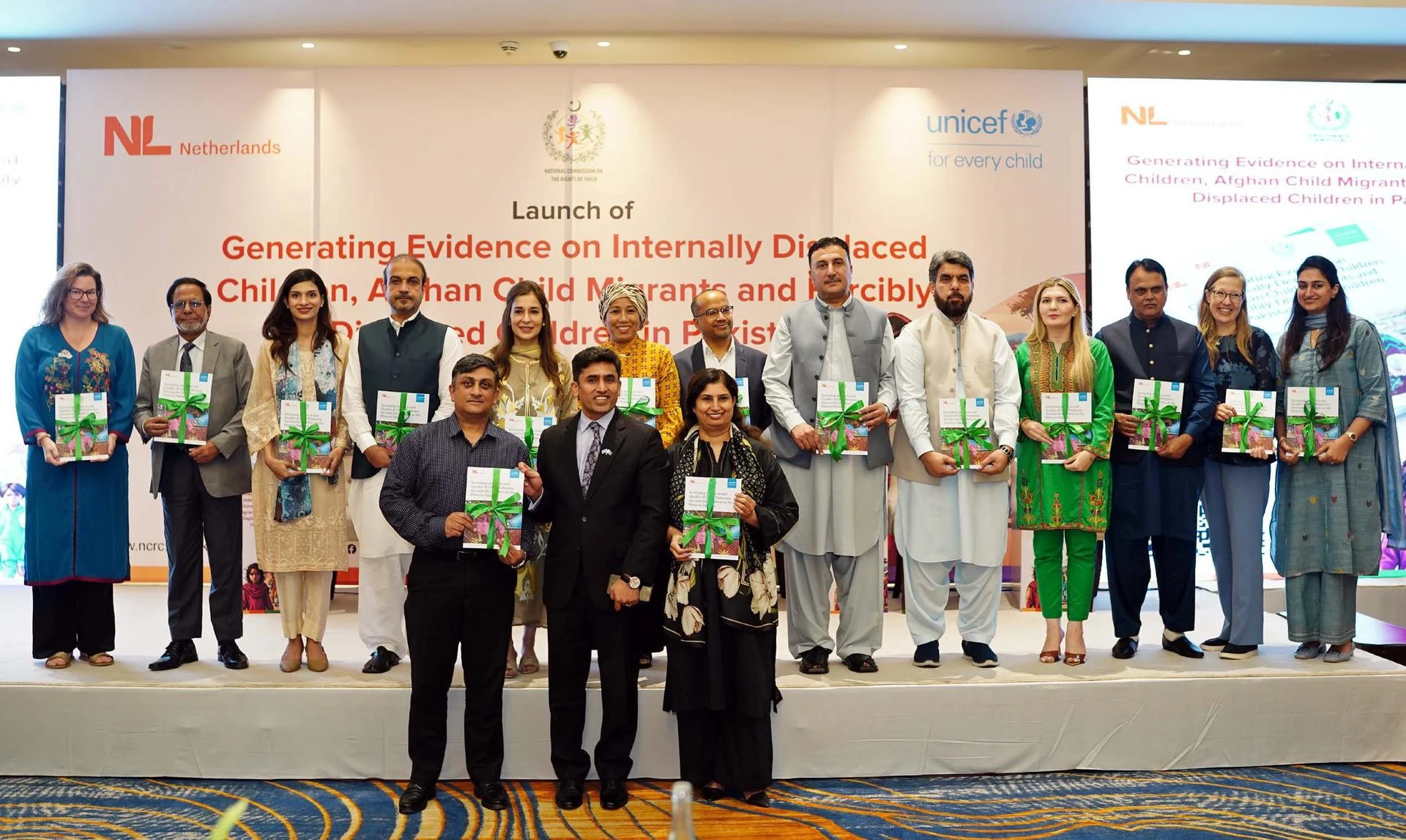
To address these challenges, the National Commission on the Rights of the Child (NCRC), in collaboration with UNICEF Pakistan and UNICEF Innocenti – Global Office of Research and Foresight, with generous support from the Government of the Netherlands, launched a landmark study titled “Generating Evidence on Internally Displaced Children, Afghan Child Migrants and Forcibly Displaced Children in Pakistan”.
The NCRC also released a policy brief to guide urgent, evidence-based action.“This research, developed in close collaboration with the National Commission on the Rights of the Child and with support from the Government of the Netherlands, provides critical evidence to strengthen inclusive systems and ensure that no child in Pakistan is left behind,” said Sharmeela Rassool, UNICEF Pakistan Deputy Representative – Programmes.
The report consolidates, for the first time, evidence on the lived experiences, vulnerabilities, and protection needs of some of Pakistan’s most marginalized children: internally displaced children, Afghan child migrants, and children forcibly displaced by conflict, natural disasters, and other crises.
The policy brief urges policymakers to expand access to child protection services for all children, strengthen Pakistan’s child protection systems through sustainable, integrated, and inclusive approaches, improve coordination among stakeholders by enhancing data-sharing and using systems such as the Child Protection Information Management System (CPIMS), promote awareness and advocacy to ensure equal application of legal protections for displaced and migrant children, and communicate effectively with children and families to close awareness gaps about available services.
During a panel discussion, moderated by Dr. Mehek Naeem of NCRC Punjab, representatives from the United Nations High Commissioner for Refugees (UNHCR), the Commissionerate for Afghan Refugees, the Khyber Pakhtunkhwa Child Protection & Welfare Commission, and the Social Welfare Department Balochistan highlighted challenges and opportunities in advancing child rights and emphasized the importance of collaborative, inclusive approaches.
Senator Ayesha Raza Farooq, Chairperson NCRC, said, “This study is not an end but a beginning. We will use this evidence to advocate for removing legal barriers to essential services, strengthen referral and case management mechanisms, and promote inclusive child protection systems.”