
Special Correspondent
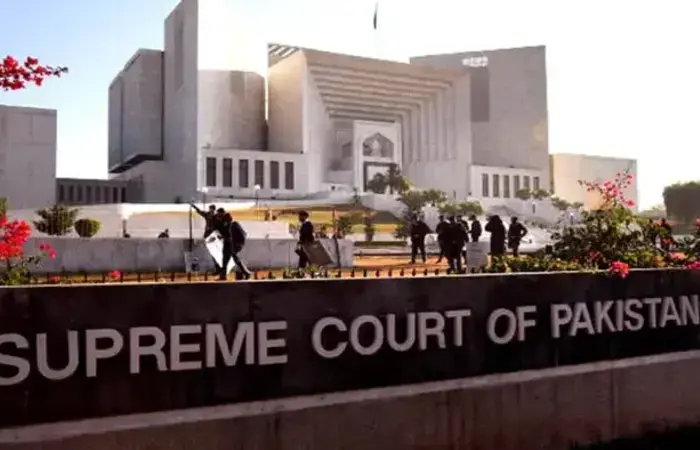
ISLAMABAD: The Supreme Court of Pakistan has ruled that the legal right to inherit property does not expire merely with the passage of time.
However, legal proceedings must be initiated within six years after a rightful heir becomes aware that their inheritance claim has been denied.
A five-member larger bench, headed by Justice Shahid Waheed, unanimously announced the 88-page judgment, laying down important principles regarding limitation periods in inheritance disputes.
According to the verdict, a heir’s share in inherited property automatically becomes their legal ownership following the death of their father or mother. The right cannot be extinguished simply because of the passage of time, silence or lack of interest.
The Supreme Court ruled that no legal heir, including women, can be deprived of their rightful share in inherited property. However, the six-year limitation period for initiating legal proceedings will begin only when an heir becomes aware that their inheritance rights have been denied.
The court clarified that merely failing to record a heir’s name in inheritance documents or making an incorrect mutation entry does not automatically trigger the limitation period. Similarly, possession of inherited property by one heir does not extinguish the rights of other legal heirs.
According to the judgment, the relinquishment of inheritance rights must be based on free consent and a legally valid transfer. No heir can be deprived of their share through verbal claims or forged documents.
The court also ruled that the legal heirs of a deceased claimant may pursue an inheritance claim if the original heir had not become aware of being deprived of their rightful share during their lifetime.
In an important recommendation, the Supreme Court called for legislation to ensure the timely and proper distribution of inherited property, suggesting that the process should be made a legal responsibility of heirs and relevant authorities.
The judgment also addressed the protection of women’s inheritance rights and the interests of bona fide property purchasers.
The court clarified that judicial decisions already declared final would not be reopened. However, the principles established in the ruling will apply to pending cases as well as future inheritance disputes.
The landmark decision is expected to have significant implications for inheritance-related litigation across Pakistan, particularly cases involving women and other legal heirs who have been deprived of their rightful property shares.
Related:
Supreme Court dismisses inheritance case, upholds limitation ruling