
Wajiha Sami Malik
In our communities, too many individuals spend most of their day sitting at work, at home, in classrooms, or on their phones. This sedentary lifestyle has become a major public health concern.
According to global estimates of health, physical inactivity is attributable to millions of avoidable deaths annually and is considered one of the most leading risk factors for poor health worldwide. Health experts warn that sitting for more than 7–8 hours a day increases the risk of heart disease, diabetes, obesity, and even early death, especially when physical activity is low.
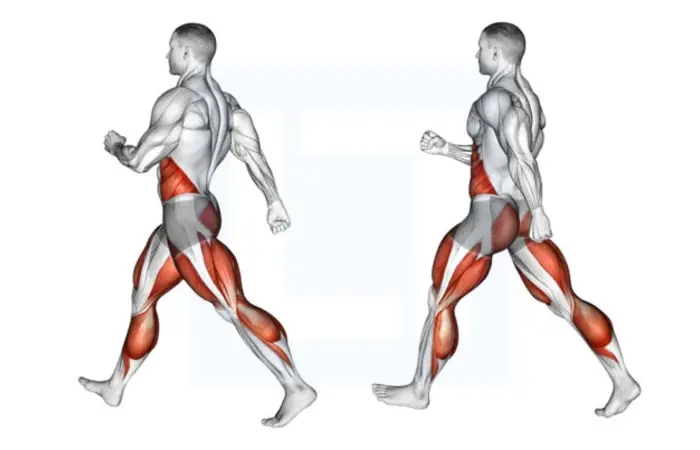
Unfortunately, many adults and young people now spend far more time sitting than moving. The good thing is that in order to have better health, one doesn’t need to invest in costly fitness centers and long exercise sessions. Studies have indicated that in order to lower the chances of death caused by major health ailments, a person merely needs to take a five-minute brisk walk every day. This is termed a brisk walk, meaning that one needs to walk a little faster than the normal pace, and walk at a speed in which the heart beats faster but is not agonized. Movement even for short periods of time has intensely beneficial effects on the body.
Research indicates that mild exercise helps increase blood flow, lowers blood glucose levels, and normalizes blood pressure. Additionally, regular walking can strengthen the lungs and heart and even prevent obesity. The benefits are not just physical. Studies show that people who walk regularly— even a little—are less stressed, are in a better mood, are more focused, and have fewer symptoms of anxiety and depression. In fact, physical activity is today commonly recommended for mental health.
Another drawback of sitting for long periods is the weakening of muscles and stiffening of the joints. Short walks can help the body stay limber, improve posture, and limit back, neck, and joint pain. In older adults, movement can help sustain balance and actually reduce falls. “Some movement is always better than not moving” is one of the most important messages of the health awareness campaign. This is because most people believe that for exercise to work, they have to do it for a long period and to the point of exhaustion. That is a major obstacle to exercising. Just five minutes is all that is required to start seeing the benefits. This five-minute duration can easily be incorporated into one’s lifestyle by walking to market, using the staircase instead of an elevator, going out during a break, or walking while talking to someone on the phone.
Evidence shows that those who start with small goals are more likely to sustain activity over the longer term. Over time, five minutes can become ten, and ten more. It is this kind of gradual change that will improve the quality of their lives, help prevent illness in the longer term, and reduce some of the pressure on families and healthcare systems.
In a world where sedentary lifestyle has grown to be a silent health threat, five minutes of brisk walking is a powerful, free, and accessible tool. A much healthier future does not start with perfection, but with one step.
(Wajiha Sami Malik is a health awareness expert. Email: malikwajihasami@gmail.com).
Well written. Implementation is pertinent !
Excellent Article.