
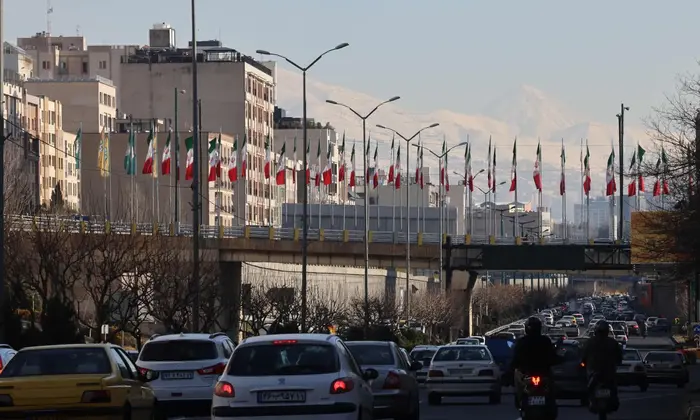
Deadly Clashes As Protests Enter Second Week In Iran
Deadly protests in Iran have entered their second week, with at least 12 people killed in clashes between demonstrators and security forces. The unrest, initially sparked by economic hardship and the rising cost of living, has spread across 23 of Iran’s 31 provinces, affecting numerous cities, particularly in the western regions home to Kurdish and Lor minorities.
The violence escalated over the weekend when security forces, including the Revolutionary Guards, reportedly opened fire on protesters in Malekshahi, a county in western Ilam province. Four members of Iran’s Kurdish minority were killed in the attack, with dozens more wounded. Local rights groups, including the Norway-based Hengaw and Iran Human Rights, have verified these deaths, showing images of bloodied bodies on the ground. Reports suggest that security forces raided hospitals in the region to seize the bodies of the protesters.
The protests began on December 28 with a strike by shopkeepers in Tehran’s influential bazaar and have since spread to universities and other cities. Although demonstrations are smaller than those seen during the 2022-2023 protests sparked by Mahsa Amini’s death, they still pose a significant challenge to Iran’s leadership, particularly Supreme Leader Ayatollah Ali Khamenei, who has been in power since 1989.
International responses to the unrest have been mixed. The US has issued a stern warning, with President Donald Trump declaring that America is “locked and loaded” in response to the potential killing of protesters. Meanwhile, Israeli Prime Minister Benjamin Netanyahu expressed solidarity with the Iranian people, suggesting they may be “taking their destiny into their own hands.”
Despite the regime’s attempts at conciliation, the violent crackdown continues to fuel tensions, with the situation remaining volatile as protests show no signs of abating.
Related: