ISLAMABAD, Dec 10, 2025: The Export–Import Bank of the United States (EXIM Bank) has approved $1.25 billion in financing to accelerate major mining projects in Pakistan, with a major share of the economic impact expected to strengthen Pakistan’s workforce and expand opportunities across Balochistan.
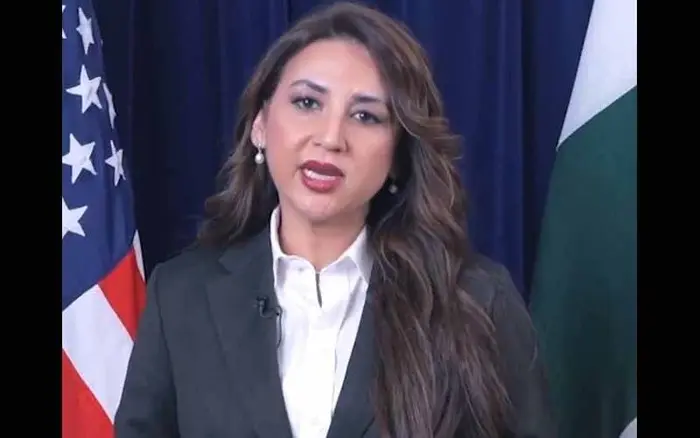
US Chargé d’Affaires Natalie Baker announced that the financing will support the acquisition of advanced American mining equipment and essential services for the construction and long-term operation of the Reko Diq copper-gold project. She explained that EXIM Bank plans to increase total project-based support to nearly $2 billion in the coming years, reflecting the scale of Pakistan’s growing mining sector and the local employment potential it carries.
Baker emphasized that the investment will directly stimulate Pakistan’s labor market. She noted that the Reko Diq development will generate approximately 7,500 new jobs in Balochistan, creating fresh opportunities for skilled and semi-skilled workers and driving economic activity in one of the country’s most resource-rich but underserved regions. She stressed that these employment gains will strengthen local communities, support regional development, and expand Pakistan’s long-term mining capabilities.
She added that the collaboration will also help Pakistani partners gain access to modern technology, increased capital, and international expertise, enabling the local workforce to build advanced technical skills. Baker said these benefits will create broader employment streams, expand local supply chains, and anchor sustainable economic growth within Pakistan’s mining industry.
Baker stated that while the initiative supports some job creation in the United States, its most immediate and transformative impact falls within Pakistan, where the combination of investment, technology transfer, and new infrastructure will reinforce long-term economic cooperation between the two nations. She explained that the effort continues the Trump administration’s policy of prioritizing economic partnerships and aligns directly with strategies that promote mutual economic development.